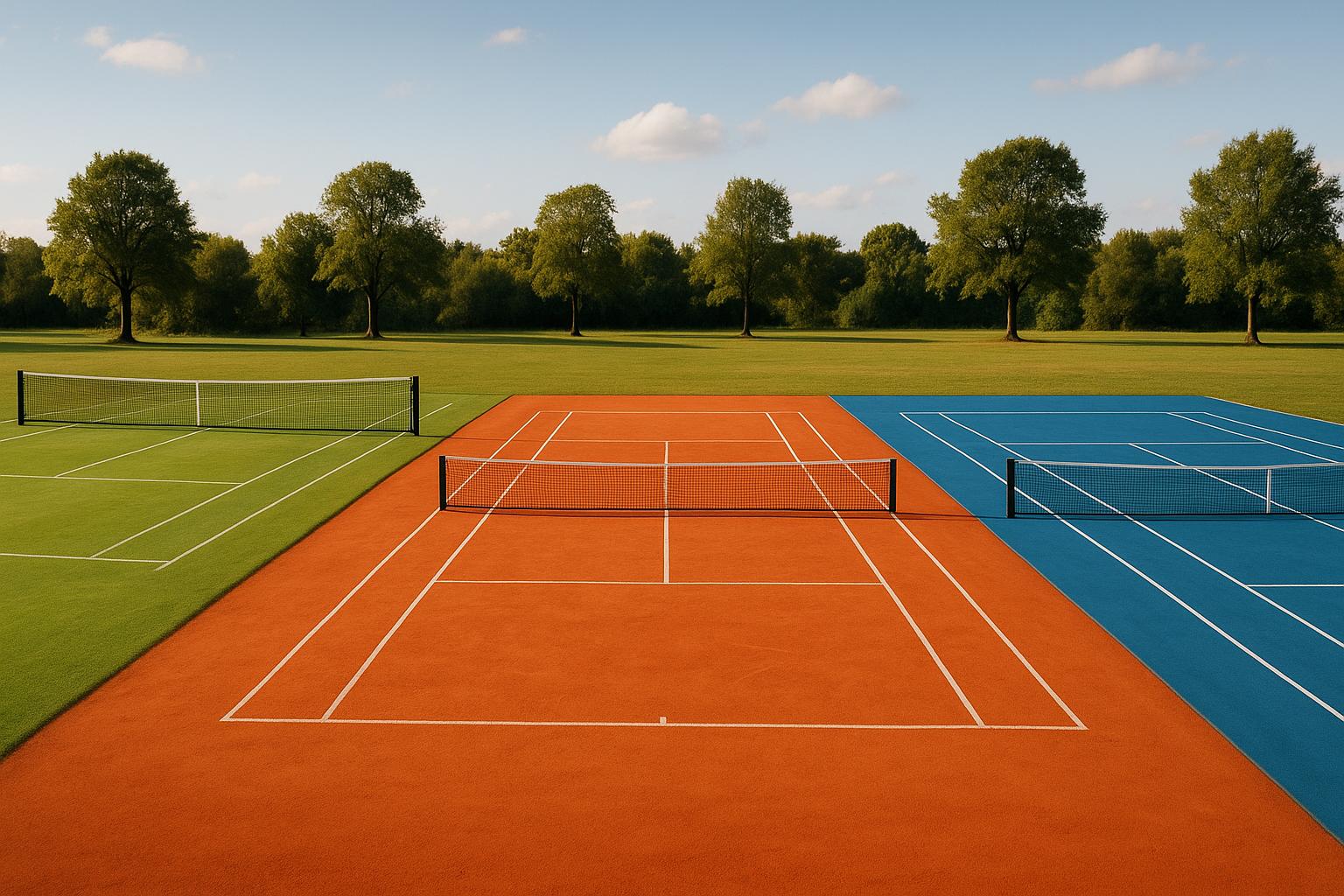
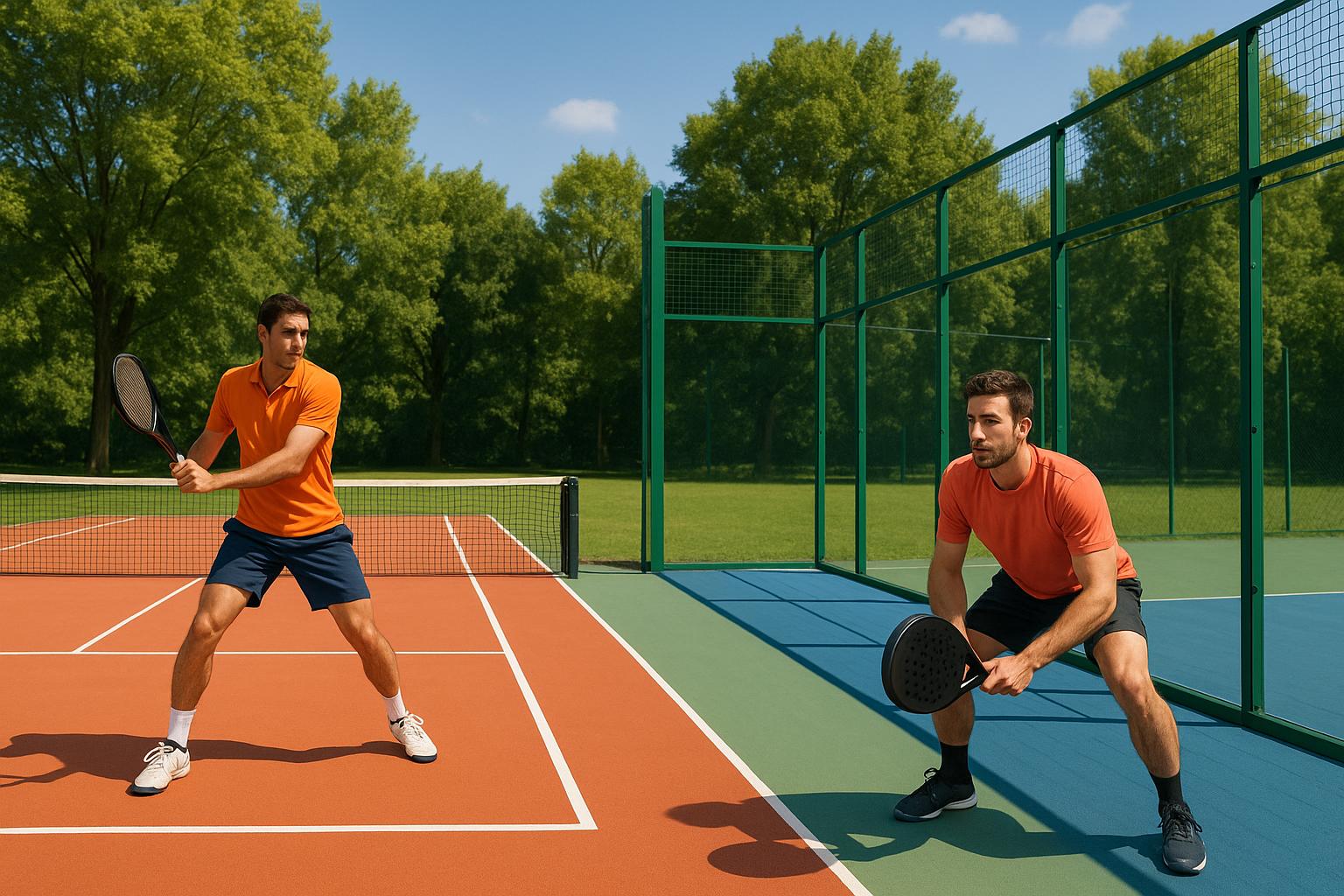
Maintaining padel and tennis courts is about more than just appearance - it's about safety, longevity, and performance. Neglecting maintenance can lead to cracks, uneven surfaces, and costly repairs. Here's what you need to know:
- Daily Tools: Mechanical sweepers for large areas, manual tools like brooms and squeegees for touch-ups, and blowers for quick debris removal.
- Deep Cleaning: Pressure washers, turf regeneration machines, and water extraction systems tackle compacted surfaces, drainage issues, and stubborn dirt.
- Structural Maintenance: Regular inspections and tools for repairing frames, fencing, glass panels, and lighting systems prevent long-term damage.
- Budget Planning: Start with essentials like brooms and water removers, then expand to mechanical tools as needed. Annual maintenance costs range from $500 to $5,000, depending on the court type and size.
- Court-Specific Needs: Clay courts need daily grooming and watering, hard courts require periodic resurfacing, and artificial grass courts benefit from regular brushing and sand redistribution.
Investing in the right tools and creating a maintenance schedule ensures courts remain safe, playable, and cost-efficient over time. Whether you're managing a single court or a large facility, proper care saves money and enhances the playing experience.
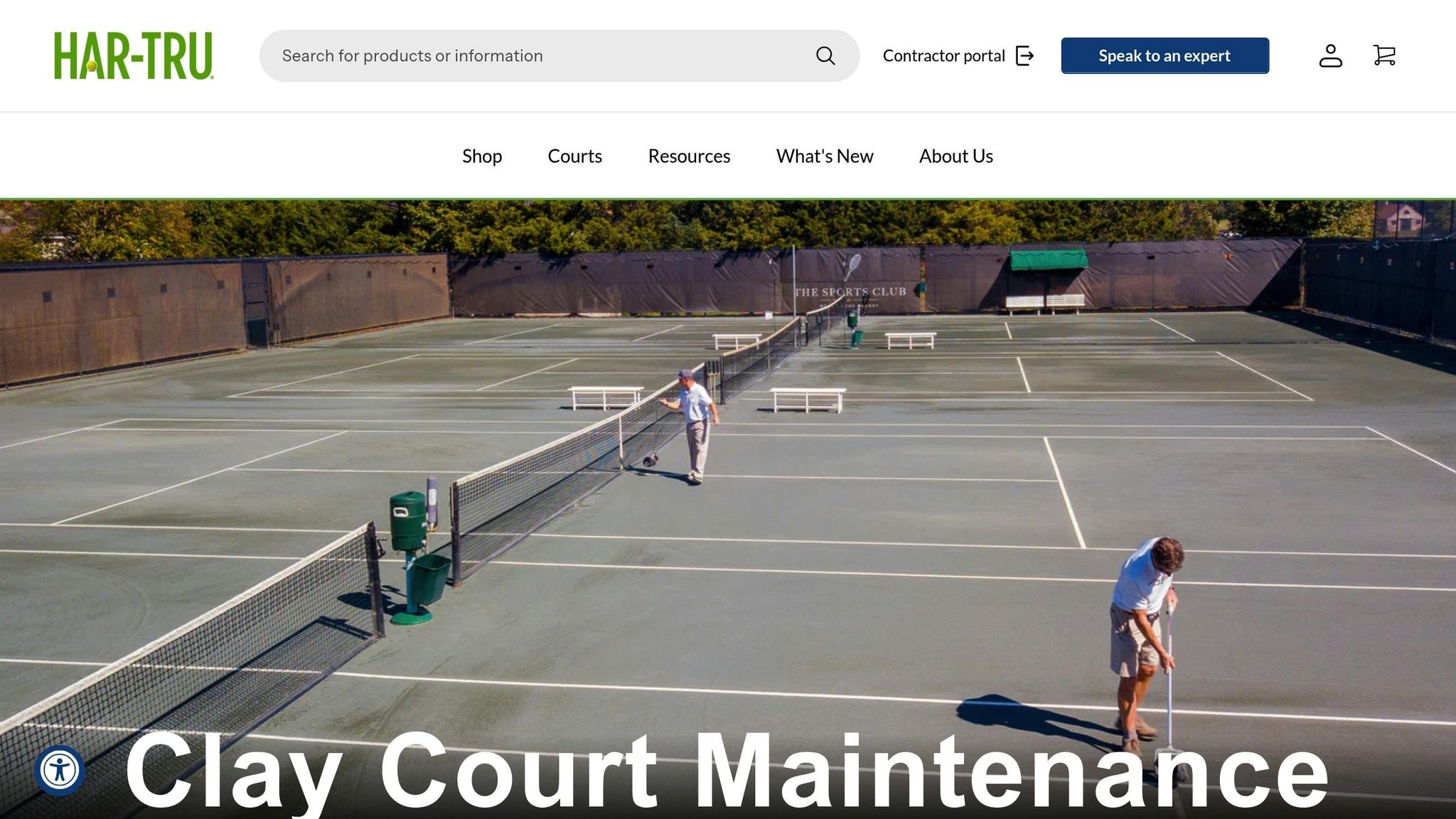
Daily Maintenance Routines for Subsurface Irrigated Har-Tru Clay Courts
Daily Maintenance Tools and Equipment
Taking care of courts daily helps nip small problems in the bud before they turn into costly repairs. The right tools can make this routine work quicker and less physically demanding. Different surfaces - whether hard, clay, or artificial grass - require specific tools to get the job done efficiently. For instance, large, uniform areas benefit from mechanized sweepers, while manual tools are better suited for detailed cleaning tasks.
Mechanical Sweepers for Debris Removal
Mechanical sweepers are a game-changer for maintaining large court areas, especially in facilities with multiple courts or professional venues. These machines are designed to clean extensive surfaces quickly and consistently, making them invaluable for daily upkeep. Clay courts, in particular, benefit greatly from these sweepers, which groom the surface and redistribute sand evenly in one go.
For artificial grass courts, mechanical equipment like drag brushes is essential. These tools help keep the synthetic fibers upright while evenly spreading sand infill. This prevents the sand from compacting, ensuring the surface remains cushioned and comfortable for players. Plus, the consistent maintenance provided by mechanical sweepers enhances the uniformity of ball bounce and player movement - key factors during competitive play.
Investing in mechanical tools can be a smart move for larger facilities. One operator can manage multiple courts in the time it would take a team to do the same work manually. And while these machines handle the heavy lifting, manual tools remain crucial for touch-ups and detailed tasks.
Manual Cleaning Tools
Manual tools, though simpler, are indispensable for precise and flexible cleaning. They’re perfect for quick touch-ups between matches, spot cleaning, or maintaining smaller courts where powered machinery might not be practical.
For hard courts, push brooms and water brooms are excellent for daily debris removal. Water brooms, in particular, are an eco-friendly choice, using up to 75% less water than standard pressure washers while still delivering effective cleaning results [4]. Squeegees are another must-have for all court types, as they’re great for removing standing water after rain or cleaning. Tools like the Rol-Dri Master Complete Water Remover, priced around $68.00, are specifically designed for hard courts to eliminate water efficiently and get courts ready for play quickly [2].
Portable backpack blowers are another handy option. They’re lightweight and allow maintenance staff to move quickly between courts, clearing leaves and light debris with ease.
Clay courts, however, have their own unique needs. Drag brooms and power rollers are essential for redistributing clay and compacting the surface, especially for courts with sprinkler irrigation systems. Subsurface-irrigated courts may skip the drag broom but still require tow rollers for compaction. Line brooms and scrub tools are vital for keeping court edges and markings clean and defined, as clay surfaces tend to shift and settle daily, requiring more frequent attention.
For smaller venues or those on a tight budget, starting with manual tools is a practical and effective approach. Basic items like brooms, dustpans, and squeegees can handle everyday maintenance. Over time, as the need arises, mechanical equipment can be added to the mix without rendering the manual tools obsolete.
The secret to effective maintenance lies in choosing tools that match the specific needs of your court. A single backyard court likely doesn’t need a tractor-powered sweeper, while a club with multiple clay courts would struggle to manage with just hand tools. Start with the essentials for your surface type and expand as your maintenance challenges evolve. For gentle cleaning, stick to soft nylon or hair brooms - stiff bristles can damage hard courts or disturb clay layers unnecessarily.
Deep Cleaning and Specialized Maintenance Equipment
Daily maintenance is essential for keeping courts playable, but it’s the periodic deep cleaning that truly protects them from wear and tear. Deep cleaning tackles the stubborn dirt, compacted materials, and drainage problems that regular upkeep can’t resolve, ultimately prolonging the court's lifespan.
The frequency of deep cleaning depends on the type of court and how heavily it’s used. For example, clay courts need more frequent attention to avoid surface hardening and uneven conditions, while hard courts typically require professional cleaning and resurfacing every few years. Synthetic surfaces also demand regular cleaning to clear organic debris and maintain proper drainage. The trick is to act before issues like poor drainage, surface hardening, or inconsistent ball bounce become noticeable. Timely deep cleaning can extend a court's lifespan by 20–30%, a significant boost compared to neglected surfaces.
Once the need for deep cleaning is clear, specialized equipment can address specific surface challenges.
Turf Regeneration Machines
Compaction is a common problem for courts, as repeated use compresses the surface, reducing porosity and drainage. This not only affects playability but also increases the risk of injuries. Turf regeneration machines solve this by loosening compacted materials and redistributing them evenly.
On clay courts, scarifiers are indispensable. These machines break up hardened surface layers, penetrating 1–2 inches into the clay to loosen compacted material that routine maintenance can’t reach. After scarification, mechanical rollers spread the loosened clay evenly and recompact it to the ideal density. Without this process, courts can become hard and uneven, but regular regeneration can add 5–10 years to their lifespan.
For natural turf courts, aerators create small holes in the soil to relieve compaction and improve the flow of water, air, and nutrients. After aeration, heavy hand rollers - typically weighing at least 550 lbs - level the surface to ensure consistent playability. This method prevents waterlogging and eliminates soft spots that could disrupt the game.
Sand-filled artificial grass courts require a different approach. Specialized drag brushes and sand spreaders are used to redistribute infill material evenly, keeping the synthetic fibers upright and preventing sand from settling into low spots. This ensures a uniform playing surface over time.
Water Extraction and Cleaning Systems
Standing water is a court’s worst enemy. It leads to soft spots, encourages mold and algae growth, and speeds up surface deterioration. Professional water extraction systems can quickly remove excess moisture, restoring courts to playable condition far more efficiently than manual methods.
For hard courts, tools like the Rol-Dri Master Complete Water Remover (priced at $68.00) and squeegees are effective at clearing standing water, protecting the surface from damage and fungal growth. Clay courts benefit from absorbent rollers, which remove excess water without disturbing the carefully maintained clay layer beneath.
Pressure washers are another key tool for deep cleaning. When paired with the right cleaning solutions, they can remove deeply embedded dirt that routine cleaning often misses. For example, Tri Sodium Phosphate (TSP) is excellent for cleaning hard courts without causing surface damage, while bleach solutions are effective at eliminating mold, moss, and fungal growth.
Jet washers and surface cleaners offer professional-grade results for a range of court types. Though these systems can cost anywhere from $500 to $3,000, facilities with multiple courts or heavy usage often find the investment pays off within two to three years through labor savings and fewer contractor expenses.
Synthetic surfaces require additional care to maintain drainage. Treatments like algicide and moss killer are crucial, especially in humid climates where organic buildup can clog drainage systems and create hazardous conditions.
The choice between renting equipment (typically $200–$400 per day), combining manual tools with mechanical systems, or investing in high-grade machinery depends on the facility’s size and budget. For high-traffic facilities, owning the equipment often proves more cost-effective in the long run.
Diagnostic tools like moisture meters and surface testers are also invaluable. They help detect drainage problems early, allowing for preventive maintenance that avoids costly repairs or full resurfacing projects. By integrating deep cleaning systems with daily upkeep, facilities can ensure courts remain in top condition while extending their lifespan significantly.
sbb-itb-5591e69
Structural Maintenance Tools
Taking care of surface issues is important, but ensuring the structural elements of your court are in good shape is just as critical. Metal frames, fencing, glass panels, and lighting systems all play a role in keeping your court safe and functional. Skipping maintenance on these components can lead to rust, corrosion, visibility problems, or even safety risks. With the right tools and regular upkeep, you can avoid costly repairs and keep everything running smoothly.
Inspection and Repair Tools for Frames and Fencing
Metal structures like frames and fencing are constantly exposed to weather, moisture, and temperature changes, making them vulnerable to rust. Regular inspections - at least every three months - are essential to catch corrosion early. In areas with high humidity or near the coast, inspections may need to happen even more often.
A moisture meter is a helpful tool for spotting early signs of corrosion before it becomes visible. During inspections, focus on welds, joints, and fence sections, looking for cracks, bends, or areas where protective coatings have worn away. Addressing small issues early can save thousands of dollars in repairs, which can range from $2,000 to $5,000 for major fixes.
When rust or damage is found, quick action is key. Here’s the basic process for treating rust and repainting:
- Use wire brushes or sanding tools to remove loose rust and old paint.
- Clean the surface with a pressure washer.
- Apply a rust converter to treat any remaining oxidation.
- Let it dry completely before applying primer.
- Finish with two coats of durable, metal-appropriate paint.
For larger facilities, investing in professional-grade tools like orbital sanders can save time and ensure consistent results. Annual touch-ups and inspections for hard courts typically cost $500–$1,500, depending on the size of the facility.
Outdoor courts face harsher conditions than indoor ones, dealing with UV exposure, moisture, and temperature swings. This means they often require 30–40% more in maintenance budgets compared to indoor facilities. Indoor courts, on the other hand, need careful humidity control to prevent metal corrosion.
Proper care for metal frames and fencing lays the groundwork for maintaining other key elements, like glass panels and lighting systems.
Glass Panel and Floodlight Maintenance
Glass panels not only enhance visibility but also contribute to player safety. However, improper cleaning can damage seals or coatings, leading to long-term issues. Use soft-bristled brushes, squeegees, and non-abrasive cleaning solutions to clean glass panels without causing harm. For outdoor panels, pressure washers can be effective, but keep the pressure low to avoid damaging seals. Indoor panels benefit from floor machines with rotating brushes that clean thoroughly and safely.
During cleaning, inspect the glass for cracks, loose seals, or worn gaskets. These issues need immediate attention to maintain safety. For hard-to-reach areas or large glass installations, hiring professional cleaning services ensures the job is done right without putting staff at risk.
Floodlighting systems are another critical component for safe, playable courts. Poor lighting can create hazards and make courts unusable after dark. Regular maintenance should include checking for loose connections, corroded fixtures, and damaged wiring. Clean lenses and fixtures with soft cloths or brushes to remove dust and debris, which can reduce light output over time.
Make sure lights are properly aligned to avoid dark spots or glare that can interfere with gameplay. Electrical connections should be inspected periodically, especially in outdoor setups exposed to moisture. Always use bulbs that meet the manufacturer’s specifications to prevent uneven lighting or premature burnout. Annual professional electrical inspections are a smart investment to catch potential problems and ensure safety compliance.
Keeping detailed maintenance logs is a great way to track bulb replacement schedules and identify recurring issues. This documentation helps with budget planning and scheduling future maintenance. Facilities should plan to spend $500–$2,000 annually on professional electrical and structural services, plus $100–$300 for glass cleaning equipment and $200–$500 for inspection tools.
A well-rounded maintenance program includes regular inspections, detailed record-keeping, and timely repairs. Set up quarterly inspections to evaluate frames, fencing, glass panels, and lighting systems. Use a centralized database - either digital or physical - to log findings and schedule follow-ups. Address minor issues like rust spots or loose connections right away to avoid costly emergencies.
Seasonal maintenance is also important. For example, pre-winter inspections can help address moisture-related concerns, while post-winter checks can spot freeze-thaw damage. Build a network of reliable contractors for specialized tasks like electrical work and structural repairs. Train your staff to recognize early warning signs of structural problems so they can act quickly. This proactive approach not only saves money but also minimizes disruptions to court availability.
Creating a Maintenance Schedule and Budget
Keeping your court in top-notch condition isn’t just about having the right tools - it’s about planning. A well-organized schedule and budget can help ensure maintenance tasks are completed on time, balance court availability with upkeep needs, and keep expenses under control.
Recommended Maintenance Frequencies
Every court surface has its own care routine. For clay courts, daily grooming is essential. Spend 30–45 minutes per court using a drag broom or court rake, and make sure the surface is adequately watered to maintain moisture. Weekly tasks include cleaning the lines and scarifying to prevent compaction, while monthly maintenance involves power rolling and adding fresh clay to handle wear and tear. Plan these activities early in the morning - preferably before 7:00 AM - so the surface has time to settle before players arrive.
Hard courts are less demanding on a daily basis. Focus on clearing debris and removing water. Weekly deep cleaning and monthly crack inspections using moisture meters are crucial. To maintain their quality, hard courts typically need resurfacing every three to five years.
Artificial grass courts require weekly brushing to keep the fibers upright and ensure the infill is evenly distributed. Courts with heavy use may need more frequent attention.
Natural turf courts, especially during growing seasons, need frequent care. Mow two to three times per week and water regularly using an in-ground sprinkler system with an automatic timer.
Seasonal changes also play a role. Clay courts may need extra watering during dry spells, while outdoor courts benefit from enhanced drainage during rainy periods. In humid climates, applying algicide or moss killer once a month can help. Hard courts in areas with freeze-thaw cycles should undergo additional crack inspections. Regular visual checks and monthly measurements can help you adjust your maintenance schedule as needed. Once you’ve established a routine, the next step is to create a budget to ensure consistent care.
Budgeting for Maintenance Equipment
After defining your maintenance schedule, it’s time to align your budget with equipment needs. Start with the essentials: water removal tools, brooms, rakes, and blowers for daily upkeep. For clay courts, investing in a power or tow roller can make a big difference in maintaining compaction and playability. Smaller facilities or home courts might begin with manual tools and gradually add mechanical equipment like sweepers, pressure washers, and line marking machines as needed.
For larger facilities, professional-grade equipment such as jet washers, surface cleaners, and moisture meters can be a worthwhile investment. However, these purchases should come after basic maintenance practices are well-established. Consider the long-term benefits: for instance, proper water removal tools can extend the life of a hard court by five to ten years, delaying costly resurfacing.
When planning your annual budget, factor in both new equipment purchases and ongoing replacement costs. Facilities might spend between $500 and $1,500 annually on routine maintenance and inspections, with additional costs for professional services ranging from $500 to $2,000. Outdoor courts, exposed to the elements, typically require higher budgets than indoor courts, which still need measures like humidity control to prevent issues like corrosion.
Preventive maintenance generally accounts for 10–15% of operating expenses but can reduce emergency repair costs by as much as 60%[1][2][3]. Regular cleaning, monthly inspections, and proper storage of tools during off-seasons can extend the life of your equipment. Keeping detailed records of usage, repairs, and replacements will help refine your budget over time.
Don’t forget to include staffing and training in your budget. Clay courts often require dedicated daily maintenance staff - one full-time employee can typically handle four to six courts. Hard courts usually need less frequent attention. For smaller operations, outsourcing specialized tasks like resurfacing or major repairs can be a cost-effective option. Also, plan for training updates when introducing new tools or techniques. Smart investments in both routine and specialized equipment will ensure your courts perform well for years to come.
Conclusion
Maintaining your court surfaces takes dedication and the right tools, but the payoff is well worth it. From daily upkeep to deeper, more intensive maintenance, having the proper equipment ensures your courts stay in top shape. This guide covered everything from sweepers and water removal tools to specialized repair and cleaning equipment.
Investing in maintenance tools is a smart financial move. Regular cleaning prevents debris buildup, which can damage surfaces, while preventive maintenance - costing around $2,000 to $5,000 annually - can significantly extend a court's lifespan. Compare that to resurfacing costs, which can range from $15,000 to $50,000 or more, and the savings become clear[1]. A structured approach, combining daily care with periodic deep cleaning, aligns perfectly with the budget and scheduling strategies discussed earlier.
Each type of court surface has unique needs. Clay courts require daily grooming, rollers, and watering systems to stay in prime condition. Hard courts benefit from water removal tools like foam sponge rollers, which are gentler on the surface than rubber squeegees[6]. For artificial grass courts, brushing equipment is essential to keep fibers upright and maintain proper infill distribution.
A clean, well-maintained court isn’t just about aesthetics - it’s about safety and performance. Proper upkeep eliminates slippery spots, reduces tripping hazards, and ensures consistent ball bounce[5]. Facilities that prioritize maintenance often see happier players and better member retention because the difference in playability is noticeable.
Start with the basics: sweepers, squeegees, and other everyday cleaning tools. Gradually expand your inventory based on your maintenance schedule and budget. Stick to surface-specific equipment, follow a regular upkeep routine, and keep detailed records of your work. Properly storing and maintaining your tools - and replacing worn components when needed - will keep your courts performing and looking professional year-round.
FAQs
What are the main differences in maintenance needs for clay, hard, and artificial grass courts?
Clay courts demand consistent upkeep, including watering, rolling, and brushing to maintain their smooth surface and prevent cracks from forming. Regular line sweeping is also essential to keep the boundaries clearly visible. Hard courts, while easier to manage, still require occasional cleaning to clear away dirt and debris. Additionally, resurfacing every few years helps address wear and tear. Artificial grass courts need routine brushing to keep the fibers upright and even, along with periodic cleaning to remove leaves, dirt, and other debris. Taking care of these tasks ensures each type of court remains in excellent playing condition.
How does investing in court maintenance equipment save money in the long run?
Investing in reliable court maintenance equipment pays off in the long run by cutting down on repair costs and keeping your court in good shape for years. Regular upkeep helps prevent common problems like surface cracks, uneven wear, and drainage issues - problems that can become expensive headaches if ignored.
On top of that, a well-maintained court boosts player safety and enjoyment. This can lead to increased usage, especially if you rent out the space, potentially adding to your revenue. Taking a proactive approach to court care not only saves money but also ensures your court stays in top-notch condition over time.
How can I create an effective maintenance schedule and budget for a tennis or padel court?
To plan a solid maintenance schedule and budget for a tennis or padel court, start by evaluating the court's unique requirements. Consider factors like the type of surface, how often it's used, and the surrounding environment. Key maintenance tasks might include regular cleaning, resurfacing, and inspecting equipment. Determine how frequently each task needs to be done to keep the court in top shape.
When setting up a practical budget, include costs for materials, equipment, labor, and potential unexpected repairs. Focus on prioritizing the most important tasks to ensure the court stays safe and playable. Make it a habit to review and tweak your schedule and budget regularly, especially during seasonal shifts or periods of heavier use. Routine upkeep not only helps the court last longer but also ensures a better playing experience for everyone.