 Image: Babolat
Best first racket
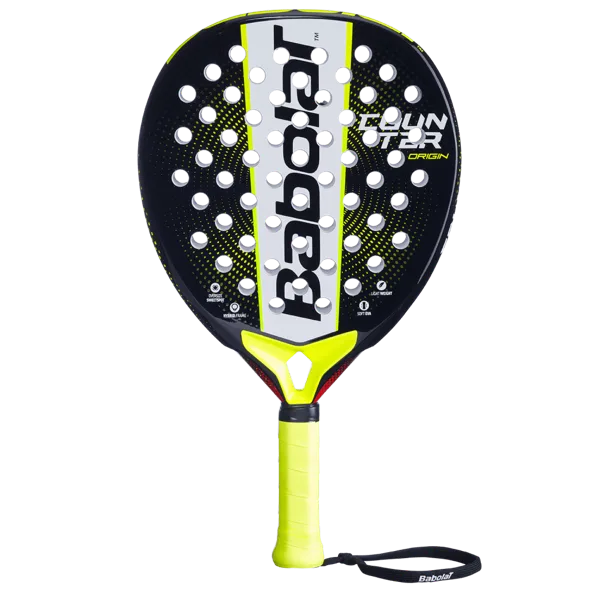
Babolat Counter Origin
- Shape
- Round
- Weight
- 355g
- Balance
- Low
- Level
- Beginner
Best for first-time adults who want the biggest, softest sweet spot. Skip if you already rally comfortably off the back glass.
Gear · 7 min
The round-head, soft-EVA rackets I actually put into beginners' hands - forgiving sweet spots, no tennis elbow, under £200.
Last updated: 12 June 2026
We may earn a commission if you buy through links on this page. It doesn't change our picks. How we make money.
Image: BabolatBest first racket
Babolat Counter Origin
Best for first-time adults who want the biggest, softest sweet spot. Skip if you already rally comfortably off the back glass.
Best for smaller players
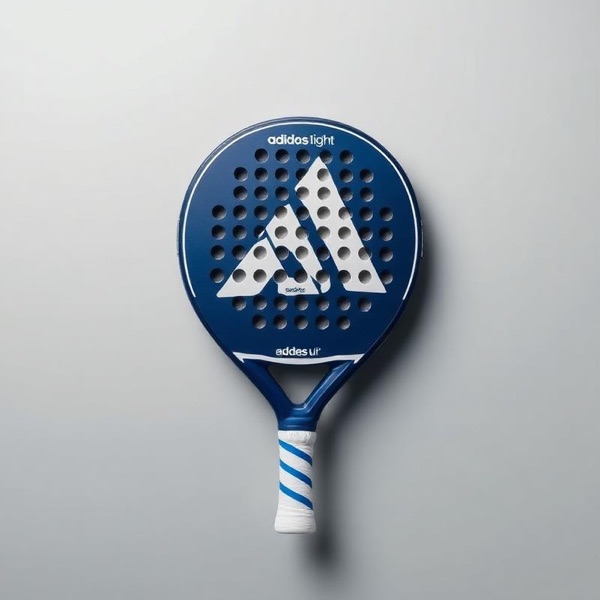
Adidas Match Light 3.3
Best for smaller-framed adults, teenagers and anyone with elbow history. Skip if you want more weight behind your smashes.
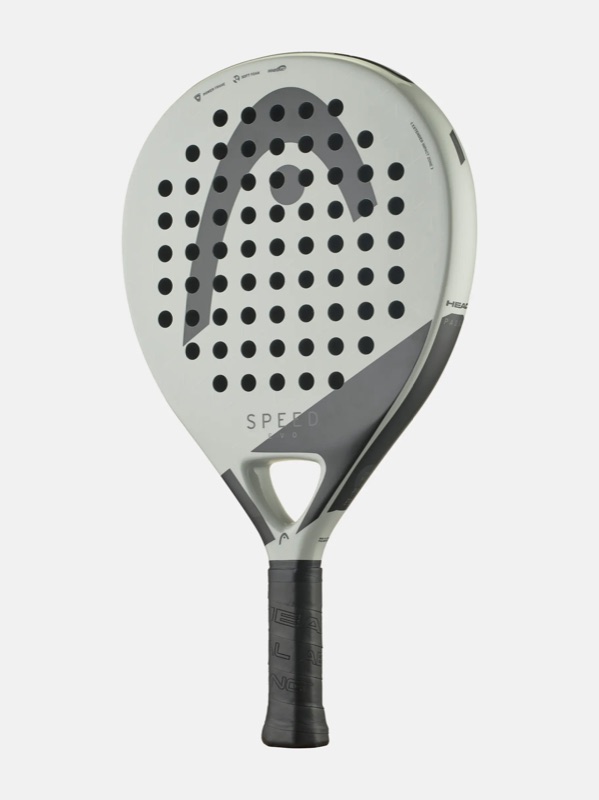 Image: HEAD
Best for quick learners
HEAD Evo Speed
Best for quick learners who want easy power on overheads in a light frame. Skip if you want a head-light racket to protect your arm.
I've coached hundreds of players through their first six months of padel. The single biggest mistake I see - by a country mile - is a brand-new player turning up with a £350 diamond-shaped carbon racket their mate recommended. It looks great. It also feels like swinging a hammer at a marble. You miss the sweet spot, the ball flies into the back glass, and three weeks later your elbow hurts.
Beginner rackets exist for good reasons. Here's what actually matters, and the frames I recommend in lessons every week.
Round-head rackets have the sweet spot dead-centre, where your swing naturally lands when you're still learning. Teardrop and diamond shapes push the sweet spot higher up the face - great for power once your technique is grooved, brutal when it isn't.
EVA is the foam core. Soft EVA absorbs vibration, protects your arm and gives you a bigger margin for error. Hard EVA gives advanced players more 'pop' but transmits shock straight into your elbow on mishits.
Look for 355–370g strung weight and 'low' or 'medium-low' balance (closer to the grip). This is what gives a racket that 'easy to swing' feel. Anything over 375g with a head-heavy balance will tire you out by the end of a 90-minute session.
Ignore the marketing. 3K carbon is more than enough for a beginner - 12K and 18K just make the face stiffer (read: less forgiving). Save your money.
Four rackets I'd happily put in any new player's hand, all with soft, forgiving cores.
Image: BabolatBabolat Counter Origin
Best for first-time adults who want the biggest, softest sweet spot. Skip if you already rally comfortably off the back glass.
Adidas Match Light 3.3
Best for smaller-framed adults, teenagers and anyone with elbow history. Skip if you want more weight behind your smashes.
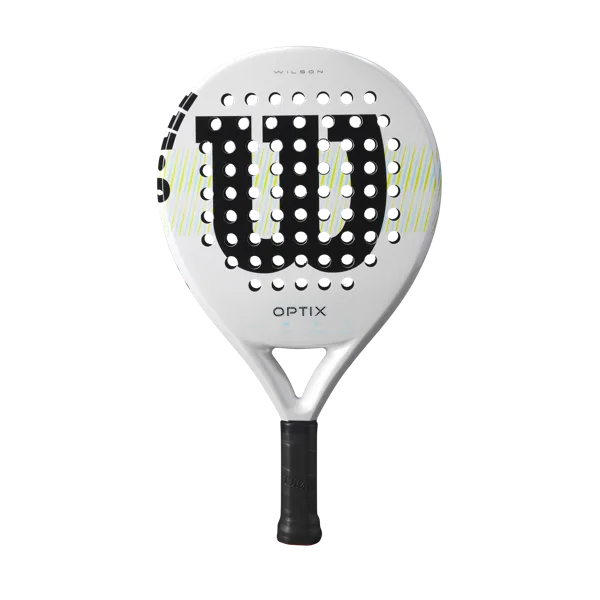 Image: Wilson
Wilson Optix V1
Best for casual players who want a forgiving fibreglass face. Skip if you play more than twice a week.
Image: HEADHEAD Evo Speed
Best for quick learners who want easy power on overheads in a light frame. Skip if you want a head-light racket to protect your arm.
£100–£180 is the right zone. Under £80 and you're into pure entry-level frames that warp within a season. Over £200 and you're paying for power and stiffness you can't use yet - and will probably damage you.
| Budget | What you get | Honest take |
|---|---|---|
| Under £60 | Entry-level / club hire grade | Fine for trying the sport once. Replace within 3 months. |
| £80–£130 | Real beginner frames | Sweet spot for first racket. All four picks above sit here. |
| £140–£200 | Beginner-to-intermediate | Buy if you're already playing 2× a week and improving fast. |
| £200+ | Intermediate / advanced | Wait. You'll get more from a £130 racket plus 4 lessons. |
Roughly when (a) you can rally consistently from the back glass, (b) you're winning more than you're losing at your level, and (c) the racket feels 'dead' on your smashes. That's usually 12–18 months in. At that point, read our intermediate guide.
No. Padel rackets are solid (no strings), shorter and have holes. You can hire one at most UK padel clubs for £3–£5 a session - do that for your first 2–3 visits before buying.
Yes. The sweet spot is in the top third of the face, which is exactly where beginners don't hit the ball. Add stiff carbon and hard EVA and you've built an elbow injury.
350–365g is ideal for most adult women. Frames under 350g exist (juniors / 'light' lines) and are great if you're under 5'4" or have any wrist issues.
For your first month, trainers with grippy soles are fine. Once you're playing weekly, get proper padel shoes - see our padel shoes buying guide.