 Image: Babolat
Best first racket
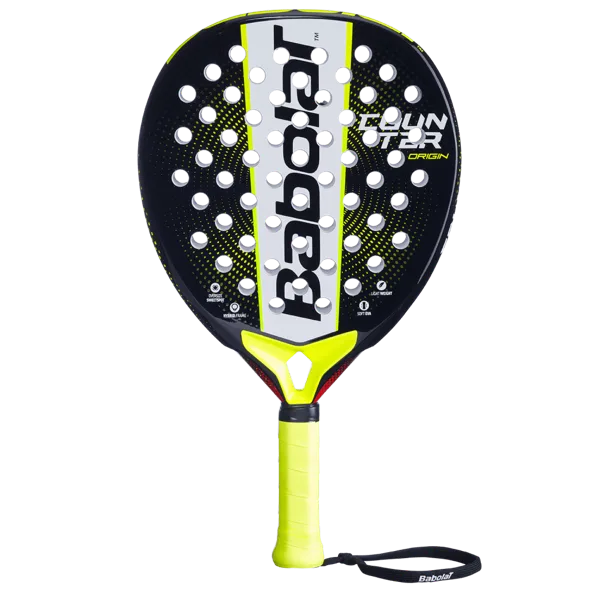
Babolat Counter Origin
- Shape
- Round
- Weight
- 355g
- Balance
- Low
- Level
- Beginner
Best for first-time adults who want the biggest, softest sweet spot. Skip if you already rally comfortably off the back glass.
Gear · 7 min
Shape, weight, balance and core - what actually matters when buying your first padel racket, and what's marketing fluff.
Last updated: 15 October 2026
We may earn a commission if you buy through links on this page. It doesn't change our picks. How we make money.
Image: BabolatBest first racket
Babolat Counter Origin
Best for first-time adults who want the biggest, softest sweet spot. Skip if you already rally comfortably off the back glass.
Best for smaller players
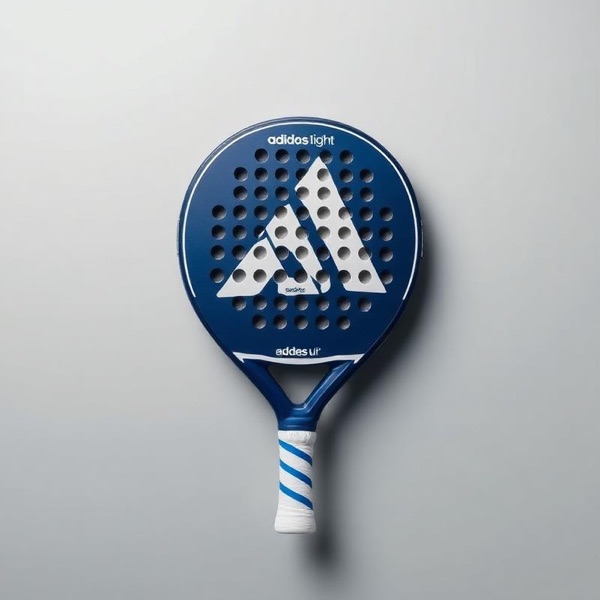
Adidas Match Light 3.3
Best for smaller-framed adults, teenagers and anyone with elbow history. Skip if you want more weight behind your smashes.
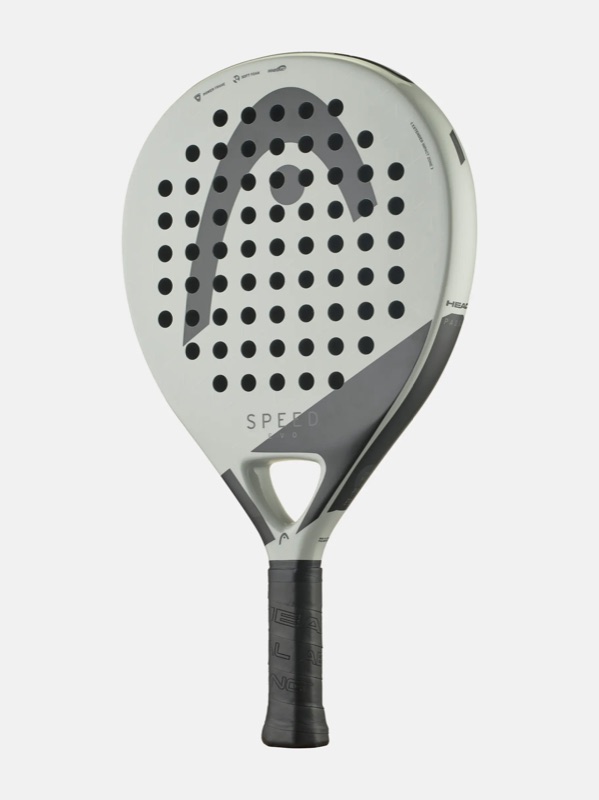 Image: HEAD
Best for quick learners
HEAD Evo Speed
Best for quick learners who want easy power on overheads in a light frame. Skip if you want a head-light racket to protect your arm.
Walk into any padel shop and you'll be confronted with hundreds of rackets, all promising spin, control, power and forgiveness. Most beginners buy the wrong one. Here's how to avoid that.
| Shape | Balance | Best for | Sweet spot |
|---|---|---|---|
| Round | Even | Beginners, control players | Large, centred |
| Teardrop | Slight head-heavy | Improvers, all-rounders | Medium, slightly above centre |
| Diamond | Head-heavy | Advanced power players | Small, at the top |
Padel rackets typically weigh 340–390g. Heavier = more power but more strain on the arm. As a beginner, 350–365g with even balance gives you the best mix of control and easy swing without tennis elbow risks.
| Tier | Price | Who it's for |
|---|---|---|
| Entry | £40–£80 | Total beginner, casual player |
| Mid | £100–£160 | Regular player, first 'real' racket |
| Premium | £180–£250 | Improver wanting a long-term partner |
| Pro | £280–£400 | Advanced player, dialled-in spec preferences |
Bullpadel, Head, Adidas, Nox and Babolat all have strong beginner lines. Avoid unbranded supermarket rackets - they're heavy, badly balanced and put you off the sport.
Round, forgiving frames from the brands above.
Image: BabolatBabolat Counter Origin
Best for first-time adults who want the biggest, softest sweet spot. Skip if you already rally comfortably off the back glass.
Adidas Match Light 3.3
Best for smaller-framed adults, teenagers and anyone with elbow history. Skip if you want more weight behind your smashes.
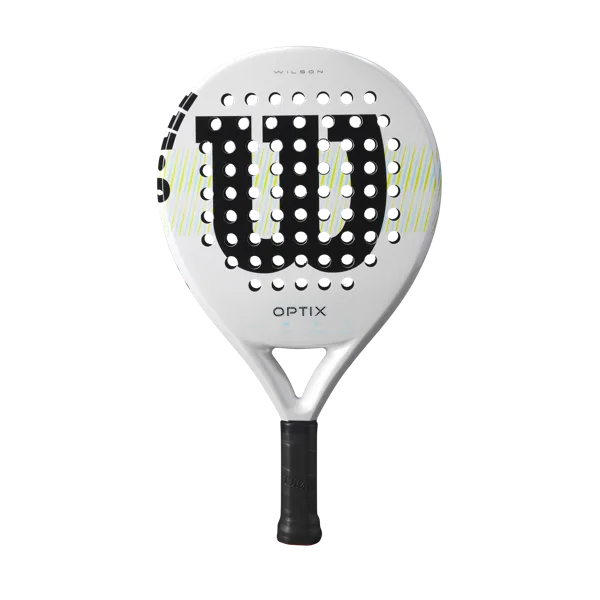 Image: Wilson
Wilson Optix V1
Best for casual players who want a forgiving fibreglass face. Skip if you play more than twice a week.
Image: HEADHEAD Evo Speed
Best for quick learners who want easy power on overheads in a light frame. Skip if you want a head-light racket to protect your arm.
£80–£150 is the sweet spot. Below £60 you get poor weight balance and short-lived materials; above £200 the extra performance is wasted on a beginner.
Round for your first racket. It's forgiving, easier on the arm, and lets you focus on technique rather than fighting the racket.
With regular play (1–2 games a week), expect 18–30 months before the core softens noticeably. Pro players replace rackets every 3–6 months.